If your child is like most, they would much rather eat potato chips, candy, or other “non-healthy” snacks. Unfortunately, these cavity-causing foods in Hinsdale will only result in additional trips to the dentist’s office for fillings and/or dental crowns. To avoid spending additional time and money on restorative treatments and keep your child’s teeth looking and feeling their best, a pediatric dentist shares healthy treats they can enjoy that won’t ruin their smile.
It’s not an uncommon scenario: Your child is refusing to get in the car and go to the dentist because they’re scared. Dental anxiety is a real thing, and dentists throughout the country are continually looking for ways to lessen fears and provide a safe and fun environment. But sometimes, additional resources are necessary to help kids achieve a better understanding at their level. A children’s dentist in Hinsdale shares how books can be a compelling method for you to use when encouraging your little one to be less afraid at their next visit.
Preventing the spread of COVID-19 is on everyone’s mind these days, particularly parents whose primary concern is their children’s well-being. And while infection control has always been a top priority for dental offices, those protocols have become even more strict since the pandemic began. Keep reading to learn how a pediatric dentist in Hinsdale prepares for appointments to ensure that kids are getting dental care as safely as possible. They combine recommendations from the CDC and the ADA with an ongoing commitment to health and safety, so you can be confident that your child is getting outstanding dental care with minimal risk of exposure.
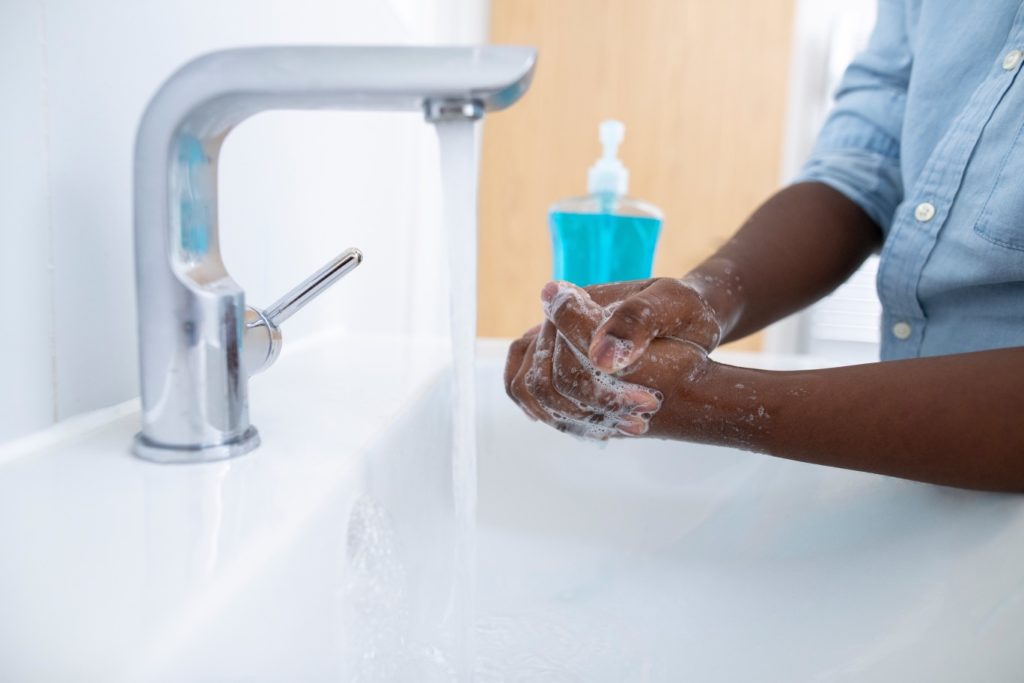
As a parent, handwashing is one of the most important habits you can teach your children. It’s the absolute best way to reduce their risk of cold and flu as well as all other infectious diseases, including COVID-19. And with strict dental safety protocols, a pediatric dentist in Hinsdale is in a great position to not only teach kids how to brush and floss, but also about proper hand hygiene as well. Keep reading below for easy ways to encourage good handwashing habits and keep your family healthy during the COVID-19 pandemic.
Without question, COVID-19 has changed our lives. With nationwide school closures, kids have lost the structure of their everyday routine. And, on top of creating a lot of headaches for both children and parents, many kids are struggling to stay consistent with their brushing and flossing as well. Not to mention that snacking is a lot easier when you’re cooped up at home all day. No one wants to see their child develop cavities and other dental problems, so how can you help them maintain a healthy smile? Use the 3 oral health tips for kids in Hinsdale below!
At Brush, one of our core values is the health and well-being of our patients, our team and the community beyond, which is why we have strongly supported the stay at home order in our state. Dental offices have been asked to close our doors except for urgent and emergent treatment during the COVID-19 crisis. So while we hope everyone is brushing and flossing, things can still happen. If your child has a true dental emergency and needs to see a pediatric dentist during COVID-19, you may feel concerned about being exposed to the virus. While that’s completely understandable, we want you to know we are following CDC and American Dental Association guidelines to keep you safe. As you know, the situation is fluid, but you can rest assured we are on top it! Also, keep in mind that dentists have always been required to practice strict infection control long before COVID-19. Keep reading below to learn about the many ways a pediatric dentist in Hinsdale will keep you and your family safe if you need care during this time.
Nothing can make a child feel like a “big kid” more than losing their teeth. But the most exciting part for many kids is being visited by the tooth fairy, so if you’ve been wondering what can you do as a parent to make it more creative, you’ve come to the right place. Keep reading below for 3 fun ideas for the tooth fairy that will bring a smile to your child’s face every time they lose a tooth.
Nail biting is a common behavior among kids and affects an estimated 50% of children between ages 10-18. Similar to thumbsucking, it’s often a way to self-soothe and manage feelings of anxiety. Unfortunately, it can also lead to oral health problems if it continues for too long. To prevent these issues, start by seeing a pediatric dentist to identify any habits your child has and get personalized tips to handle them. In the meantime, keep reading to find out how nail biting can impact your child’s smile. You’ll also get some general ideas for helping them overcome the habit!
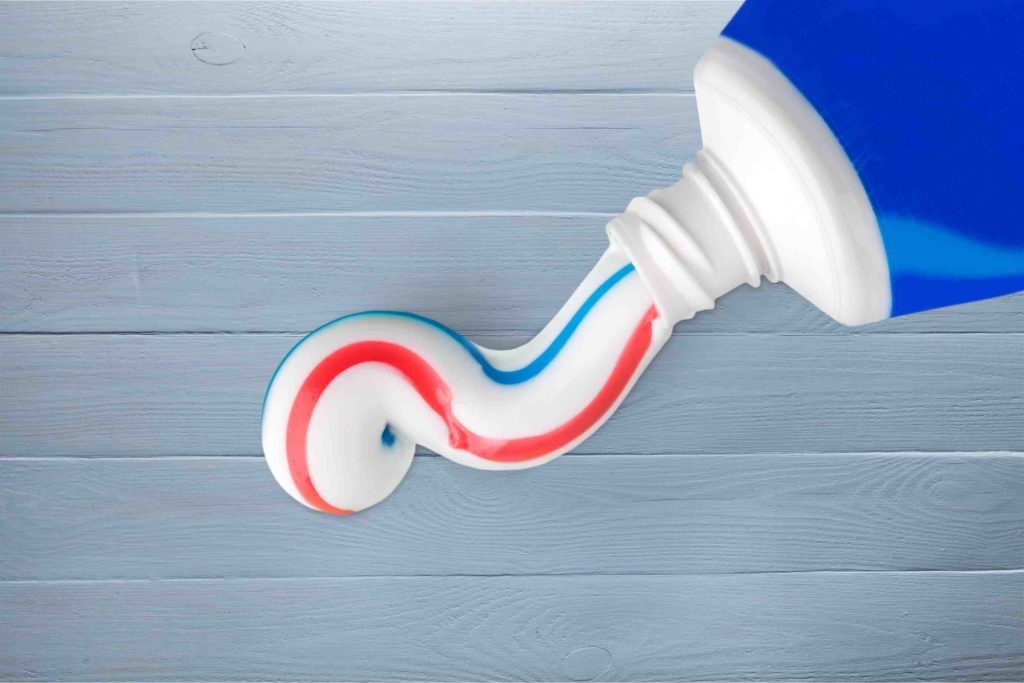
If you’ve ever done a DIY painting project at home, you know how essential it is to have the right brushes and tools. It not only makes your job easier, but the final outcome is a lot better as well. Similarly, the toothbrush your child uses has a big impact on their smile. But if you feel like you’re faced with countless choices at the store, you may be asking, “Which kid’s toothbrush is the best?” In this blog, you’ll get the answer to that question and find out what to look for to keep your child’s smile cavity-free.
Nearly every child hits an awkward stage at some point in their development. A great example is the transition period between a mouth full of baby teeth and having a complete adult smile. One complication that’s relatively common during this phase is the development of “shark teeth.” This occurs when the baby teeth don’t fall out on schedule and the permanent teeth come in behind them. This results in a double row of teeth that’s often concerning for both kids and parents. Keep reading below to learn more about this phenomenon and what can be done about it!




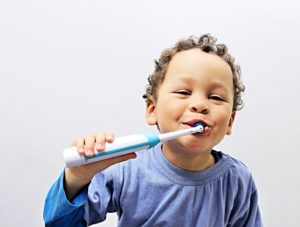 If you’ve ever done a DIY painting project at home, you know how essential it is to have the right brushes and tools. It not only makes your job easier, but the final outcome is a lot better as well. Similarly, the toothbrush your child uses has a big impact on their smile. But if you feel like you’re faced with countless choices at the store, you may be asking, “Which kid’s toothbrush is the best?” In this blog, you’ll get the answer to that question and find out what to look for to keep your child’s smile cavity-free.
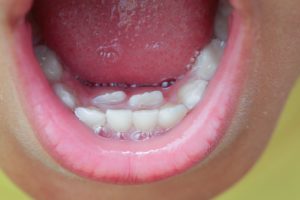 Nearly every child hits an awkward stage at some point in their development. A great example is the transition period between a mouth full of baby teeth and having a complete adult smile. One complication that’s relatively common during this phase is the development of “shark teeth.” This occurs when the baby teeth don’t fall out on schedule and the permanent teeth come in behind them. This results in a double row of teeth that’s often concerning for both kids and parents. Keep reading below to learn more about this phenomenon and what can be done about it!